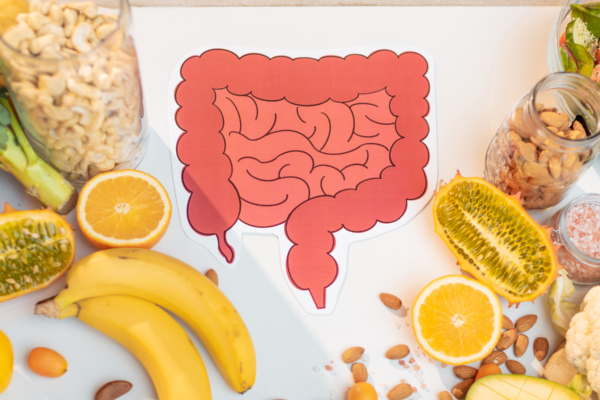
Gut health & mood
We have all experienced that infamous feeling deep in our gut, often using the idiom of ‘butterflies in the stomach’. It is one of our natural instincts in anticipation of something we find challenging, nerve-wracking, or even exhilarating. You might think that this feeling is metaphysical and solely brain driven but there is a much deeper and tangible connection to our gut; one that affects how we feel mentally and emotionally. Here’s how…
Our gut is often referred to as the ‘second’ or ‘little’ brain because it has its own neural network called the enteric nervous system. This comprises of around 500 million neurons and can operate completely independently from the central nervous system and the brain in our head. Further to this research is revealing that our gut microbiome (collectively all the microbes in our gut) can have an influence on our cognitive health including our mood.
In fact, the same neurotransmitters that are produced in our brain are also produced in our gut such as serotonin which is often dubbed the ‘happy neurotransmitter’, as well as other neurotransmitters like dopamine and GABA. We might naturally assume that most of these are produced in our brain, but actually it is our gut that is responsible for making 90-95% of overall serotonin. However it is not as simple as healthy gut = more of these chemicals in our brain since neurotransmitters produced in our gut cannot cross the blood brain barrier. However these chemicals do impact in a localised way on our gut health. Serotonin has a significantly role in motility through the gut for example which can have a broader impact on our gut health. This is relevant as large cohort studies show that those people who suffer from major depressive disorder and anxiety seem to have very different compositions of their gut microbiome than those who do not which suggests a significant link.
Furthermore our gut microbiome can influence inflammation in the entire body including the brain and it is believed that depression has been linked to heightened inflammation.
So now you have a better understanding of how the gut can influence our mood, let’s focus on some of the key factors that we can consider when we are looking to help support our gut health and mood…
MOOD FOOD
One of the key food groups we need to consider is dietary fibre. This provides sufficient fuel for our gut microbes to allow them to thrive and proliferate. Crucially our gut microbes rely on fibre as their main source of energy and in as many different sources as possible, as our current understanding is the more diverse the microbiome the better, and in this case, the happier it is. Fibre is found in all types of plant-based foods, so it is best to include vegetables, fruit, whole grains and nuts, & seeds to really aim for as broad an intake as possible.
Furthermore, certain types of fibre called prebiotics have an even more positive feeding effect on our gut microbes, so we want to try and include these as much as possible in our diet. These can be found in various food sources to include garlic, onions, leeks, sourdough, oats, asparagus and pistachios to name a few.
Tips on getting more fibre in your diet…
- Make breakfast count and use this opportunity to rotate grains and not only going for oats. Try mixing it up with buckwheat, millet, spelt and quinoa for example. Switch up nut butters to add into this and use a variety of fruit to help get easy diversity with the same dish.
- Think about blending a variety of veggies and fruits into smoothies or soups to get some easy diversity.
- Make a nut & seed seasoning mix with 3-4 types that can be used to sprinkle over porridge, soups, vegetables or over natural yogurt.
CHICKEN SOUP FOR THE SOUL
Tryptophan is the amino acid that converts into serotonin in the body which is one of the key neurotransmitters that impacts on our mood. One of the highest sources of this is in chicken and may be the reason for the famous saying. Other foods that are rich in tryptophan include turkey, salmon, organic grass-fed red meat and tofu or tempeh. Alongside this we should include vital co-factor nutrients that are important for the conversion of tryptophan to serotonin, such as magnesium, vitamin B6, vitamin C and zinc which can be found in foods such as avocados, spinach, broccoli, peppers, bananas, pumpkin seeds, shellfish and whole grains.
ENJOY FERMENTED FOODS
Fermented foods contain sources of beneficial bacteria and yeast that can help to bolster and nourish our existing microbiome, which may also have a positive impact on our mood. These include natural live yogurt, traditional cheese, kefir, sauerkraut, kimchi and kombucha. Furthermore, fermented foods may also provide a source of GABA which is our main inhibitory ‘calming’ neurotransmitter and curbs feelings of restlessness.
ADD OMEGA-3 & POLYPHENOLS TO YOUR DIET
Including sufficient amounts of Omega-3 rich foods can also support your mental wellbeing, which includes oily fish (salmon, mackerel, sardines, anchovies), organic grass-fed meat and in lower amounts plant-based forms such as flaxseed, chia seeds and walnuts. Enrich meals with polyphenols which are essentially special plant chemicals that often give them their colour. This can also exert a positive influence on the composition of the gut microbiome that can impact positively on our emotional wellbeing. Moreover, it can also enhance the flavour of our food! Herbs and spices are especially high in their polyphenol content – think turmeric, chilli, paprika, ginger and dried herbs which can be even higher than their fresh counterparts. Green tea is also rich in polyphenols and provides a less jittery source of caffeine than coffee, which can heighten feelings of restlessness. Whilst it is important to add in some of the above it is also just as crucial to remove foods and other factors that are not good for our microbiome. Alcohol in all forms is one of these. Similarly high amounts of refined sugars, carbs and ultra-processed foods provide very little in way of fibre and can be disruptive to the health of the gut microbiome.
Up polyphenol rich spices with these tips…
- Add spices to morning eggs to give them a flavoursome and polyphenol gut nourishing twist! Turmeric and chilli are a game changing addition to scrambled eggs.
- Elevate morning porridges with cinnamon, ginger or cardamom
- Add cumin and fennel seeds to lentils that you can warm through and serve as a side to grilled salmon or top with grilled halloumi
SWEET DREAMS
Lack of and/or poor-quality sleep has many knock-on negative effects not least because when we are tired we feel more emotional. However, it can also have a direct impact on the composition and the health of the gut microbiome that can impact on the gut-brain axis. Sometimes there are factors out of our control that can affect our sleep, but for many of us it is often due to perpetual use of our phones and scrolling endlessly into the early hours. Prioritising our bedtime is therefore key to helping support our microbiome and our mood. Switch off devices at least an hour before bedtime and use this time to take a bath, read a book, or listen to some soothing music. Journaling can also allow us to release negative feelings and emotions, rather than having worrisome thoughts that keep us up at night.
RELEASE THE PRESSURE
Mindful practices such as yoga and meditation can be super beneficial in helping to manage some of the symptoms related to our emotional health. Research also shows that meditation also has a positive impact on the health of the gut microbiome and therefore helps to better regulate neurotransmitters that support our mood. We might think that hitting the gym will give us that rush of endorphins and whilst it can indeed have that feel-good factor initially too much isn’t always a good thing. Taking our foot off the pedal is a really important part of maintaining a healthy emotional balance as well as equilibrium in the gut. Straight up meditation either as a guided practise via an app or through dedicated classes and workshops is one way to engage with this. Or it might be through movement practises like yoga. Just remember the postures are there to facilitate the breath and not to compete with the mind to achieve them.
References
Learn